
Soundproofing Walls and Floors in Home Maintenance & Renovations
When it comes to home maintenance and renovations, homeowners often prioritize aesthetics, structural integrity, and energy efficiency. But one aspect that’s often overlooked, yet equally vital, is soundproofing. Whether you’re trying to block out traffic noise, insulate a home office, or prevent sound transfer between rooms, soundproofing walls and floors plays a crucial role in improving comfort and privacy in a living space. Modern living demands a peaceful environment—and investing in soundproofing during renovations is a smart move that pays off in everyday tranquility.
Why Soundproofing Matters
Sound travels through walls, ceilings, and floors more easily than many realize. In urban environments or multi-family housing units, outside noise can become a persistent intrusion. Even in suburban homes, internal noise—like footsteps, television, music, or conversations—can disturb relaxation or productivity.
Soundproofing isn’t only about luxury or comfort. It contributes to mental wellness, helps with concentration, and fosters better relationships by reducing tensions caused by noise complaints. For families with small children, shift workers, or remote professionals, managing acoustics through home renovation becomes a necessity rather than a choice.
Understanding How Sound Travels
Before diving into the methods of soundproofing, it’s helpful to understand how sound operates within a home. There are two main types of sound transmission: airborne and impact.
Airborne sound includes voices, music, and television—noise that moves through open air and passes through walls and gaps.
Impact sound is caused by physical contact, such as footsteps on a floor, a door slamming, or furniture moving. These sounds travel through solid structures.
Effective soundproofing solutions depend on addressing both types, especially in walls and floors, which are primary transmission paths in most houses.
Soundproofing Walls: Techniques for Quiet Interiors
Walls serve as the boundaries between rooms and between the house and the outside world. Renovating with soundproofing in mind allows for permanent solutions that are both effective and discreet.
- Add Mass to Walls
One of the most fundamental soundproofing principles is to increase mass. Heavier materials resist sound vibrations more effectively. During renovations, homeowners can add extra drywall layers to existing walls. A particularly effective method is to use soundproof drywall, which contains a gypsum core layered with sound-damping polymers.
Inserting mass-loaded vinyl (MLV) between drywall layers adds another effective barrier. This dense, flexible material is designed specifically for blocking sound without taking up too much space.
- Use Resilient Channels or Sound Clips
If you’re opening up walls during renovation, installing resilient channels or sound isolation clips can make a substantial difference. These components decouple the drywall from the wall studs, preventing sound vibrations from transferring through the structure. Think of it as creating a floating wall layer that absorbs rather than transmits noise.
- Insulate the Cavity
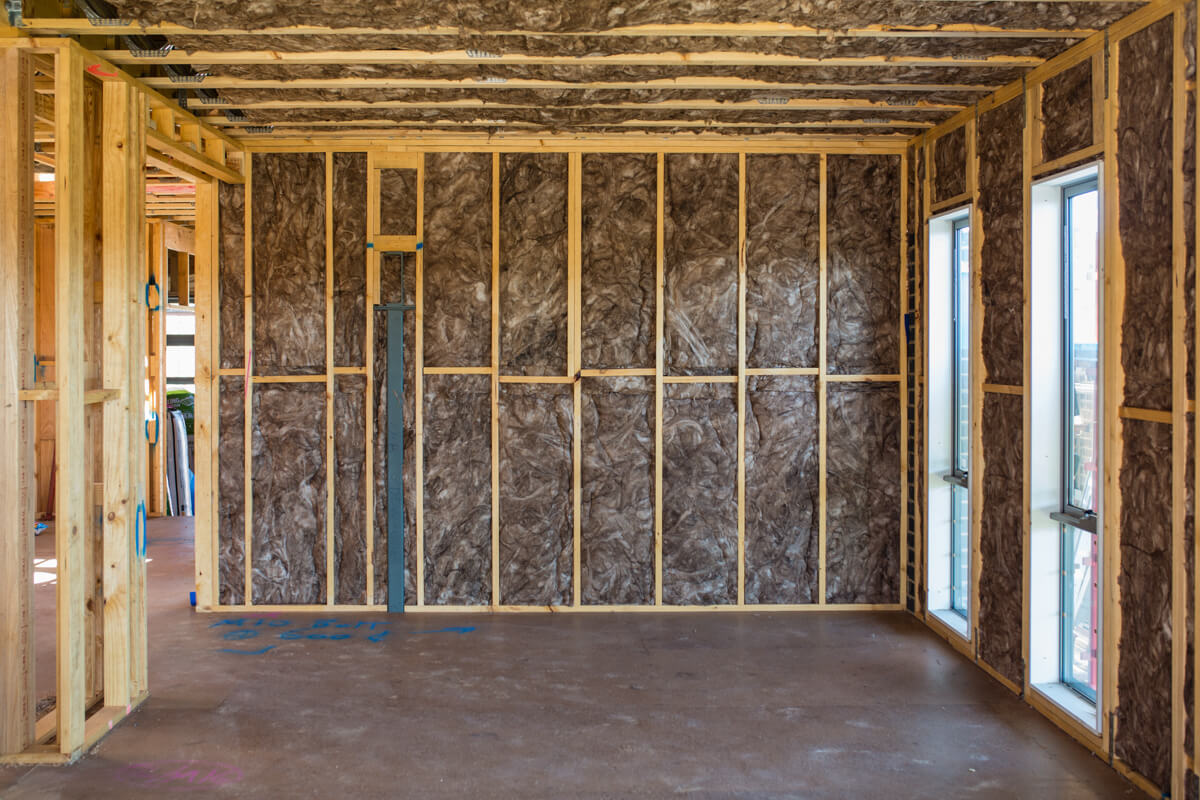
Filling the wall cavity with dense insulation is another critical measure. Fiberglass or cellulose insulation is a good start, but rock wool insulation (also known as mineral wool) performs much better in terms of sound absorption due to its higher density. This material also has the added bonus of being fire-resistant.
- Seal the Gaps
Even the smallest cracks and gaps around outlets, baseboards, and joints can let sound sneak through. Use acoustic caulk to seal around electrical boxes, window frames, and where drywall meets other surfaces. It remains flexible, so it doesn’t crack over time like regular caulk might.
Soundproofing Floors: Reducing Impact and Airborne Noise
While walls carry sound horizontally, floors are conduits for both airborne and impact sound—especially in multi-level homes or apartment units. Footsteps, dropped objects, and moving chairs can all be disruptive.
- Underlayment Installation
One of the best solutions during renovations is installing acoustic underlayment beneath flooring. These materials, typically made from rubber, cork, or foam, absorb impact sounds before they reach the structure. They’re especially useful under hard flooring like tile, laminate, or hardwood, which don’t naturally absorb sound.
- Floating Floor Systems
Floating floors are built over an underlayment, with the flooring not nailed or glued directly to the subfloor. This disconnect helps reduce impact noise. Popular in modern renovations, they can be made from engineered wood, laminate, or even luxury vinyl planks. The combination of a floating floor and acoustic underlayment is a powerful soundproofing duo.
- Carpeting and Rugs
While not a permanent part of construction, adding area rugs or fully carpeting floors significantly helps with noise reduction. For even better results, combine rugs with soundproof rug pads, which can reduce both echo and impact noise. If your renovation leans toward hard flooring, consider using rugs in high-traffic areas to absorb sound energy.
- Joist Cavity Insulation
For homes undergoing deeper renovations where floor joists are exposed, installing insulation between them can go a long way in stopping sound. Similar to wall cavities, use mineral wool or dense fiberglass batts to fill the space between levels. It’s an often-overlooked measure that makes a big difference.
Integrating Soundproofing into Broader Renovation Goals
Soundproofing doesn’t have to be a standalone task—it can easily be incorporated into broader home maintenance or renovation projects. For instance, if you’re already upgrading your HVAC system, it’s an ideal time to install quieter ducts and insulate them to avoid the whooshing sound of airflow. Similarly, if you’re redoing drywall, it’s the perfect moment to double up on panels or install resilient channels.
Moreover, while soundproofing adds value in terms of comfort, it also contributes to increased property value. Homebuyers are increasingly looking for homes that offer peace and quiet, particularly in bustling neighborhoods. So the up-front cost of soundproofing often translates to long-term financial and lifestyle rewards.
Choosing Materials and Professionals
Like any renovation, the success of your soundproofing project depends on the quality of materials and the skills of those who implement them. Acoustic materials can vary widely in cost and effectiveness, so working with knowledgeable contractors or consultants is a wise move. Some renovations can be DIY-friendly, like installing acoustic panels or caulking gaps, but deeper interventions such as wall reconstruction or floating floors are best handled by professionals.
Research brands and look for products labeled for acoustic performance. Some well-known solutions include Green Glue (a damping compound), QuietRock (soundproof drywall), and Roxul Safe’n’Sound (mineral wool insulation).
Cost Considerations
Cost is always a consideration when planning home maintenance or renovation work. Soundproofing can range from modest (a few hundred dollars for basic caulking and insulation) to more substantial investments (thousands for full wall rebuilds or floor system upgrades). The key is to balance budget with desired outcome. A home office may warrant more extensive measures than a guest bedroom, for instance.
Prioritizing key rooms—like bedrooms, media rooms, home offices, or shared walls—can help spread out the investment over time while still making tangible improvements in quality of life.
A Quieter, More Comfortable Home
Soundproofing walls and floors during home maintenance and renovations isn’t merely about blocking noise—it’s about crafting a sanctuary. A home that feels private, peaceful, and quiet is one that promotes rest, productivity, and overall happiness. As open floor plans and urban density continue to shape modern living, the need for effective sound management grows.
Whether you’re starting a full remodel or just tackling one room at a time, don’t underestimate the impact of strategic soundproofing. With thoughtful planning and the right materials, your home can become a place where the outside world quiets down—and peace takes center stage.