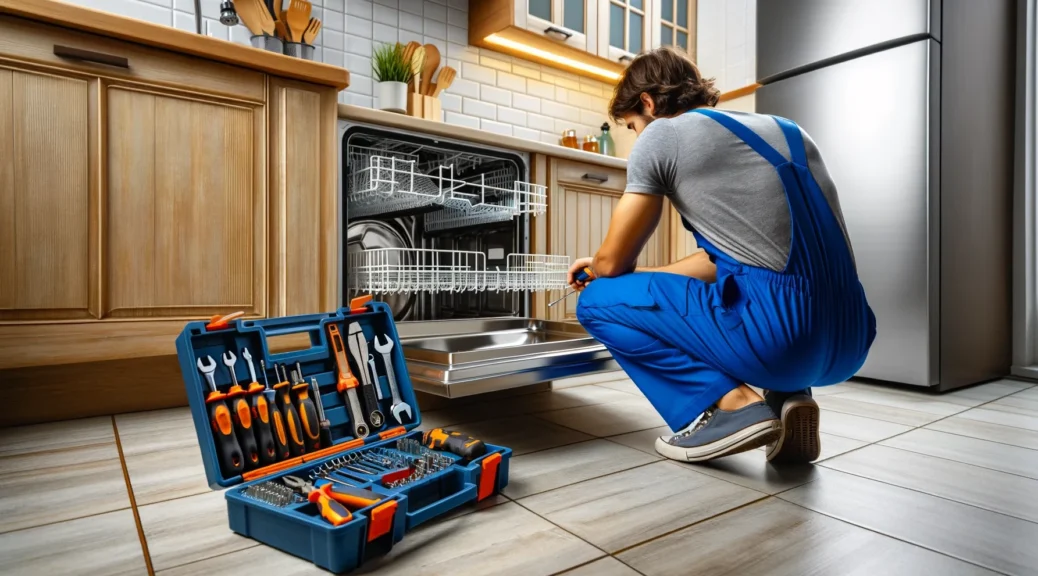
Home Maintenance & Renovations That Prepare Your Property for Renting
Renting out a property can be a rewarding way to generate passive income, but success in the rental market often hinges on how well the property is prepared. Home maintenance and strategic renovations not only enhance your property’s appeal but also help minimize future problems, attract reliable tenants, and justify higher rental rates. Whether you’re converting your own home into a rental or sprucing up an investment property, taking the right steps can make a significant difference in your returns and long-term satisfaction as a landlord.
Start with Structural and Safety Essentials
Before considering aesthetic upgrades, address all critical structural and safety issues. A rental property must be in good working order and meet legal safety standards to pass inspection and protect both your investment and your tenants.
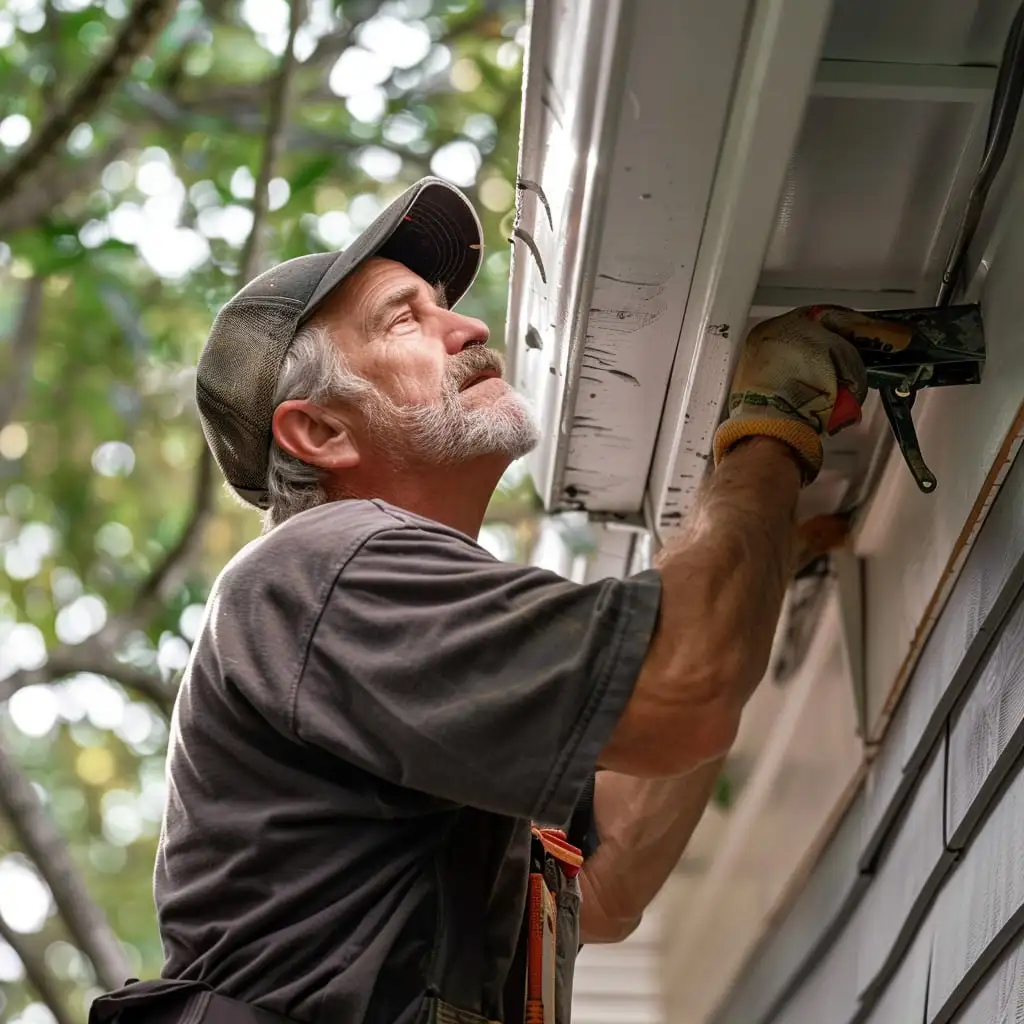
Inspect the foundation for cracks or settling issues. A damaged foundation can lead to serious issues like uneven flooring or wall cracks. Roofing should be solid, leak-free, and ideally no more than 15–20 years old. Water intrusion is a major concern for tenants and a frequent source of emergency repair calls. Check the gutters, downspouts, and drainage to ensure water is directed away from the house.
Safety elements include functioning smoke and carbon monoxide detectors, secure hand railings, GFCI outlets near water sources, and up-to-code electrical systems. Doors and windows should have working locks and be easy to open in case of emergency. Ensuring your property meets or exceeds local building codes and safety regulations is not only essential for tenant wellbeing but also protects you legally as a landlord.
Upgrade Plumbing and Electrical Systems
Outdated plumbing and electrical systems are red flags for potential renters. Leaky pipes, inconsistent water pressure, and corroded lines can cause major issues. If your property has galvanized steel pipes, consider replacing them with modern PEX or copper options.
On the electrical side, a home built decades ago may not support today’s technology needs. Ensure the breaker box has sufficient amperage (typically 100–200 amps) and that outlets are plentiful in every room. It may be worthwhile to add USB charging ports or additional sockets in common areas to support modern living. Efficient systems also reduce the risk of costly maintenance down the line and keep tenants satisfied.
Improve Curb Appeal
First impressions matter—and your property’s exterior is the first thing potential tenants will notice. Landscaping doesn’t have to be elaborate, but it should be neat, low-maintenance, and inviting. Mow the lawn, trim overgrown bushes, and plant drought-resistant shrubs or flowers to add visual interest. A fresh coat of paint on the exterior or front door can do wonders in refreshing the look of the home.
Power washing the driveway, walkway, and siding helps give your property a clean, well-maintained appearance. If the property has a fence, ensure it’s in good repair. Broken pickets, rusted chain links, or leaning posts can turn off otherwise interested renters.
Modernize the Kitchen and Bathrooms
Two of the most impactful areas in any rental home are the kitchen and bathrooms. Renters often base their decisions heavily on the quality and cleanliness of these rooms. You don’t have to embark on a full renovation, but even modest improvements can make a big difference.
In the kitchen, replace outdated cabinet hardware, update lighting fixtures, and install a new faucet. If the countertops are damaged or old laminate, consider replacing them with more durable surfaces like quartz or butcher block. Appliances should be functional, energy-efficient, and consistent in finish. Stainless steel continues to be a popular choice for its modern appeal and durability.
Bathrooms should be spotless and fresh. Re-grouting tiles, updating vanities, and replacing faucets or showerheads with modern fixtures can elevate the space. Installing water-saving toilets and fixtures will also reduce your utility expenses if you’re including water in the rent. These updates not only boost rental value but also signal to potential tenants that the property is well cared for.
Focus on Flooring That Lasts
Flooring is a key element in rental preparation because it impacts aesthetics, maintenance, and durability. Carpet may be soft underfoot, but it stains easily, traps odors, and wears down quickly—especially in high-traffic rental units.
Opt for hard-surface flooring like luxury vinyl plank (LVP), tile, or engineered hardwood. These materials are water-resistant, easy to clean, and long-lasting. LVP, in particular, offers the look of real wood at a fraction of the cost and is ideal for rental properties where turnover and wear are common.
Replacing carpet in bedrooms can still be acceptable depending on the market, but aim for a consistent, neutral color palette throughout to create a cohesive and appealing design.
Brighten the Space with Paint and Lighting
A fresh coat of paint is one of the most cost-effective ways to make your rental feel brand new. Choose neutral tones like warm grays, beige, or off-whites that make spaces feel bright, open, and adaptable to any décor style. Avoid bold or trendy colors that may not appeal to a wide range of tenants.
Updating lighting fixtures can also transform the feel of a home. Swap out outdated fixtures for sleek, modern designs. Use LED bulbs to improve energy efficiency and reduce maintenance. Add under-cabinet lighting in the kitchen or task lighting in work areas to improve functionality and ambiance.
A well-lit home feels larger, cleaner, and more welcoming—important traits for prospective tenants evaluating your property.
Ensure Storage and Functionality
Renters value storage—often more than homeowners. Take a look at your closets, pantries, and cabinet spaces to see if improvements are needed. Installing closet organizers, additional shelving, or even built-in storage benches can greatly enhance the practicality of your rental.
Consider functionality in other areas too. Is there a dedicated laundry space with proper ventilation? Do bedrooms have adequate closet space? Is there room for a desk or work area? These small but thoughtful considerations can improve the livability of your property and help it stand out in a competitive market.
Address Energy Efficiency and Utilities
In today’s rental market, energy efficiency is more than a nice-to-have; it’s often expected. Proper insulation, double-pane windows, and efficient HVAC systems not only reduce energy costs but also provide year-round comfort.
If your heating or cooling systems are outdated, replacing them can lower utility bills and attract tenants looking for modern amenities. Programmable thermostats and ceiling fans are also simple additions that enhance comfort and control. Sealing air leaks around doors and windows improves efficiency and eliminates drafts.
Appliances such as washers, dryers, dishwashers, and refrigerators should be Energy Star-rated where possible. These upgrades can even allow you to market the property as “eco-friendly,” which is a growing priority for many renters.
Don’t Overlook Permits and Documentation
All upgrades and renovations should be done in accordance with local building codes. For larger projects—like structural changes, plumbing alterations, or electrical upgrades—obtain the proper permits and keep documentation for future reference. Failing to do so can result in fines or delays if inspections are required.
This also becomes crucial when it’s time to insure the property. Insurance providers may ask for proof of work for major upgrades. Additionally, if you decide to sell the property down the line, having a record of maintenance and renovations boosts buyer confidence.
Final Clean and Pre-Rental Touches
Once all repairs and renovations are complete, conduct a deep clean. Hire professional cleaners if necessary to get into all the corners—especially in kitchens and bathrooms. Steam-clean carpets, polish floors, clean windows, and wipe down all surfaces.
Walk through the property with a tenant’s perspective. Is it move-in ready? Are there loose doorknobs, scuffed walls, or burnt-out bulbs? These final touches matter and can make or break a potential lease.
Document the property’s condition with photos and checklists before tenants move in. This protects you in case of disputes and ensures transparency.
A Smart Investment in Long-Term Success
Home maintenance and renovations that prepare your property for renting are essential investments—not expenses. While upfront costs can seem daunting, the payoff comes in the form of fewer vacancies, better tenants, and reduced emergency repairs. A well-prepared rental property is easier to manage, more marketable, and ultimately more profitable.
By focusing on both functionality and aesthetics, while adhering to safety and legal standards, you’ll ensure your rental is not only competitive but also a place where tenants want to stay long term. That’s the key to success in the rental property business.