Building a Home Gym During Home Maintenance & Renovations
In today’s fast-paced world, finding time to prioritize fitness can be challenging. Between work schedules, family responsibilities, and daily commutes, getting to the gym often feels like another task on an already overloaded to-do list. That’s why more homeowners are choosing to bring the gym home. And what better time to do it than during home maintenance and renovations? With some thoughtful planning and a clear vision, building a home gym during this phase can be both practical and cost-effective.
Why Build a Home Gym During Renovations?
Timing matters in any project, and integrating a home gym into your renovation plan offers several advantages. First, it allows for efficient use of resources. If contractors are already modifying walls, upgrading electrical systems, or replacing floors, adding gym-specific features becomes less of a logistical hassle and more of a natural extension of the work already underway.
Secondly, tackling the gym space alongside broader home maintenance can help maintain consistency in design, materials, and flow. Whether you’re converting a basement, a spare bedroom, or carving out space in a garage, renovating with the end goal of a fitness zone ensures that everything—from lighting to flooring—supports the purpose of the space.
Most importantly, creating a dedicated fitness area in your home removes excuses. When the gym is just steps away, there’s no reason to skip your workout.
Choosing the Right Location
The first big decision is choosing where your home gym will go. This depends on the layout of your home and the type of workouts you plan to do. A basement is often ideal because it’s naturally separate from living areas and can handle heavy equipment without disturbing others. However, basements may require extra attention to ventilation and lighting.
A garage can be another great option, especially if it’s already underused or cluttered with storage. It often has a concrete floor—great for supporting weight equipment—and can be easily modified with rubber gym flooring and insulation. Spare bedrooms or even a corner of a larger living space can work well too, especially if your fitness routine is more yoga or pilates focused rather than heavy lifting.
Keep in mind soundproofing, airflow, and access to natural light when finalizing the location. You want the space to be motivating and functional, not isolated or uncomfortable.
Structuring the Renovation for Fitness Use
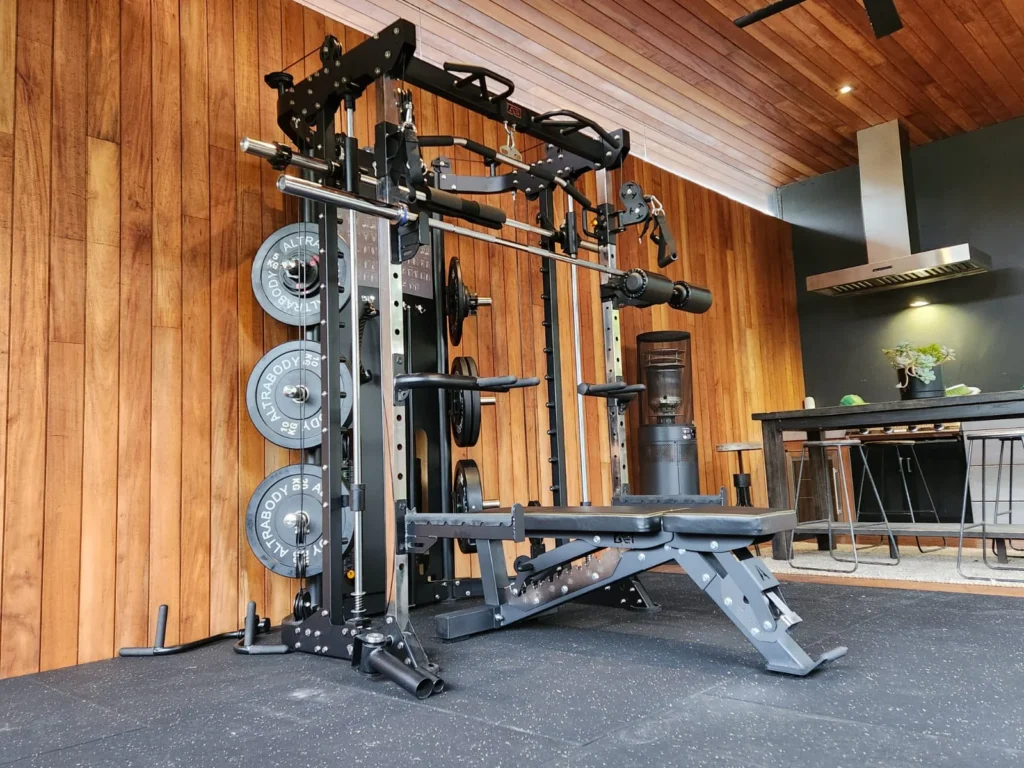
Once you’ve chosen the location, work with your contractor or renovation team to make structural decisions that align with the gym’s purpose. One major element is the floor. A gym floor needs to handle impact, resist wear, and support heavy equipment. Rubber flooring is an excellent choice—it’s durable, relatively affordable, and helps with shock absorption and noise.
Ceiling height is another consideration, especially if you’ll be doing overhead movements like pull-ups or lifting barbells. Make sure your chosen room provides enough clearance for safe movement.
You’ll also want to assess the electrical setup. Treadmills, ellipticals, and rowing machines all require power outlets, often with specific voltage needs. During the renovation, it’s easier to upgrade wiring or add outlets than to try to adapt later.
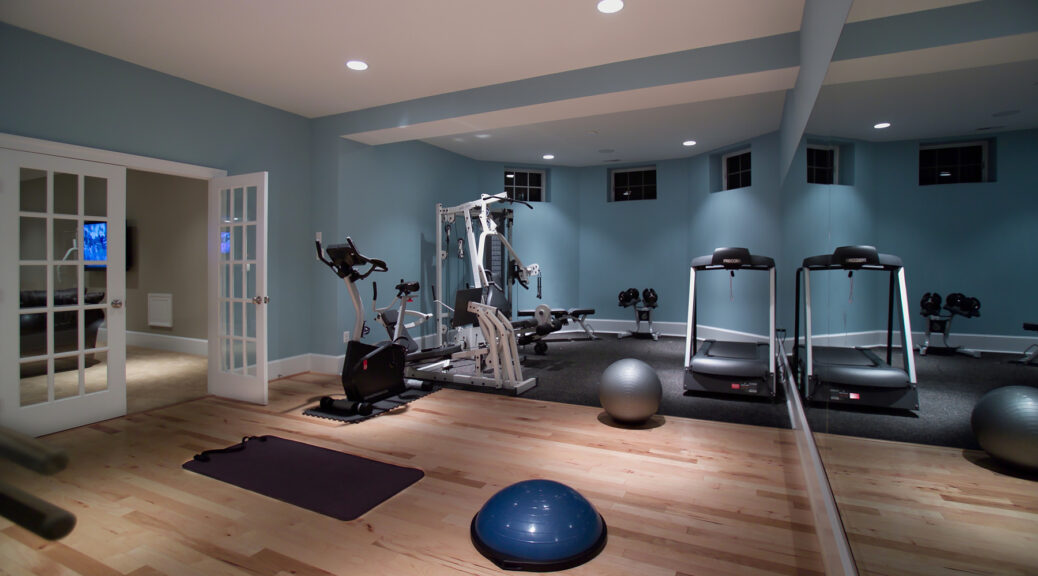
Lighting plays a huge role in making the space feel energizing and welcoming. Natural light is ideal, but if your gym is in a basement or garage, install high-quality LED lighting that mimics daylight. Consider adding mirrors as well. Not only do they help monitor form during workouts, but they also make smaller rooms feel larger and brighter.
Storage and Organization
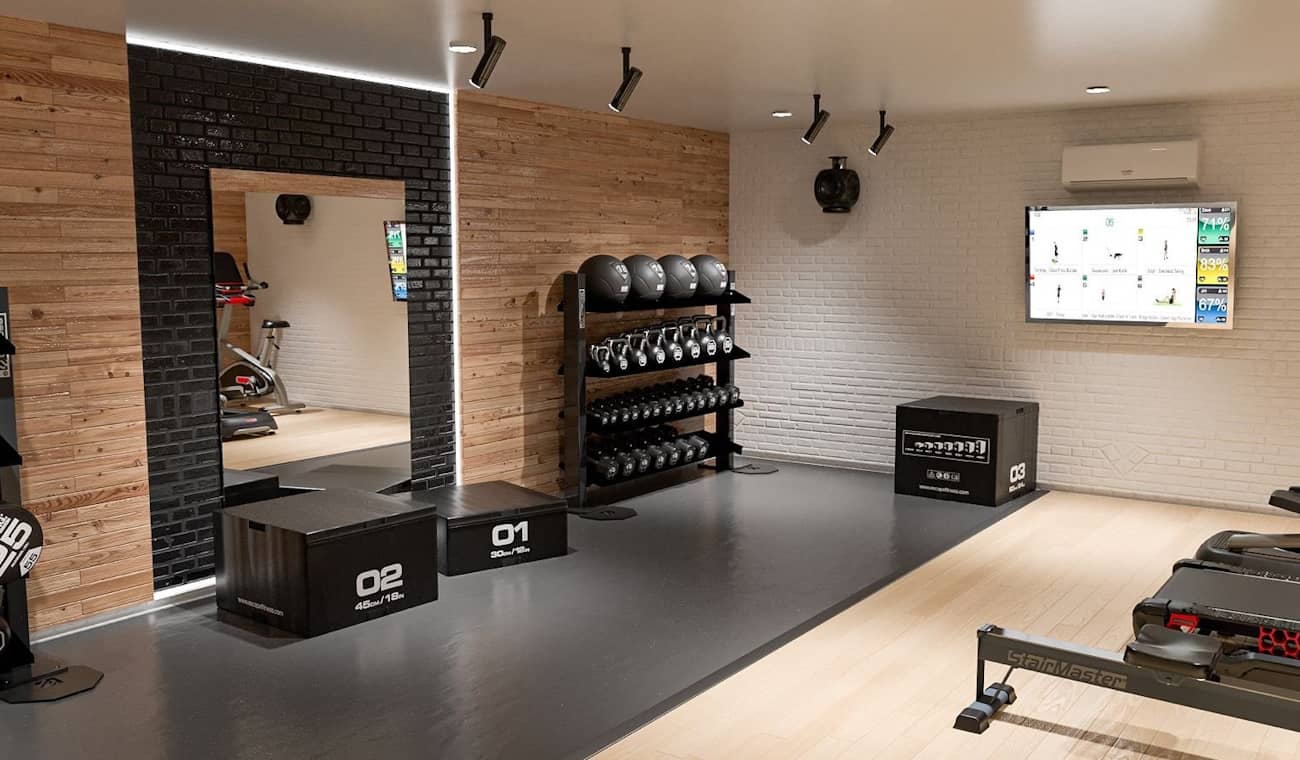
A home gym can quickly become chaotic without proper organization. During the renovation, you can install built-in shelves, wall racks, or cabinets that keep equipment off the floor and easy to access. Wall-mounted storage solutions for dumbbells, resistance bands, yoga mats, or jump ropes save space and create a cleaner, safer workout environment.
If you’re short on square footage, multi-functional equipment can reduce clutter. Adjustable dumbbells, foldable benches, or resistance bands with various attachments can offer a full-body workout without filling the entire room.
Hooks and baskets can be mounted on walls to keep things tidy. If you’re integrating the gym into a shared space, consider cabinets or closets that can hide equipment when not in use, preserving the room’s versatility.
Incorporating Tech and Entertainment
Part of what makes commercial gyms engaging is the availability of media—TVs, music, virtual classes. You can bring the same benefits to your home gym with thoughtful planning during renovations.
Installing a wall-mounted television or a projector gives you access to streaming services, virtual trainers, or workout videos. A solid sound system or Bluetooth speaker setup can boost motivation during intense workouts. Make sure to run necessary wiring or install appropriate mounts during the renovation phase, not after.
Smart fitness mirrors, interactive workout platforms, or app-connected equipment like Peloton bikes or Tonal systems can also be integrated into your plan. If you’re using tech-heavy gear, ensure your Wi-Fi signal is strong or add a network extender to the room.
Design and Aesthetics
Don’t overlook aesthetics just because it’s a workout room. A well-designed space can improve your mood and increase your motivation to use it regularly. Choose a color palette that energizes you—light neutrals, greens, or even bold accents like reds and oranges.
Use inspiring wall art or quotes to personalize the space. Mirrors aren’t just functional—they also help make the room look polished and professional. Plants or natural materials can introduce a calming, biophilic element, which works especially well in yoga or stretching zones.
Adding a few personal touches—like a hydration station, towel rack, or mini-fridge for protein shakes—can take the space from functional to luxurious.
Safety First
With all the enthusiasm that comes with building a home gym, safety must remain a top priority. If you’re installing large or heavy equipment, make sure your flooring and support structures can handle the load. Anchoring equipment to the wall or floor may be necessary to prevent tipping.
Lighting should be even and bright to prevent tripping. Avoid clutter in walkways, and if you’re using any electrical equipment, protect cords and plug them in safely. Mats should be non-slip, especially for high-movement workouts.
It’s also a good idea to include a first-aid kit in or near the space and make sure your home insurance covers any liability associated with a private gym.
Long-Term Value of a Home Gym
Beyond the immediate convenience and health benefits, a well-built home gym can actually add long-term value to your property. Future buyers may appreciate the versatility of a finished space that supports wellness, especially if it’s done with care and high-quality materials.
Just like a renovated kitchen or bathroom, a smartly designed home gym can be a selling point. It reflects a modern lifestyle and appeals to a growing demographic prioritizing health and convenience.
Building a home gym during home maintenance and renovations is a smart, forward-thinking investment in both your health and your property. When executed properly, it offers daily convenience, long-term savings on gym memberships, and the motivation that comes from having a personalized workout space just a few steps away.
By incorporating it into your renovation plans, you gain the opportunity to create a gym tailored specifically to your goals, space, and lifestyle. From choosing the right flooring and lighting to adding tech features and storage solutions, every detail can be aligned with how you like to move, sweat, and thrive. Whether your focus is strength training, cardio, flexibility, or a combination of all three, your dream fitness space is well within reach.