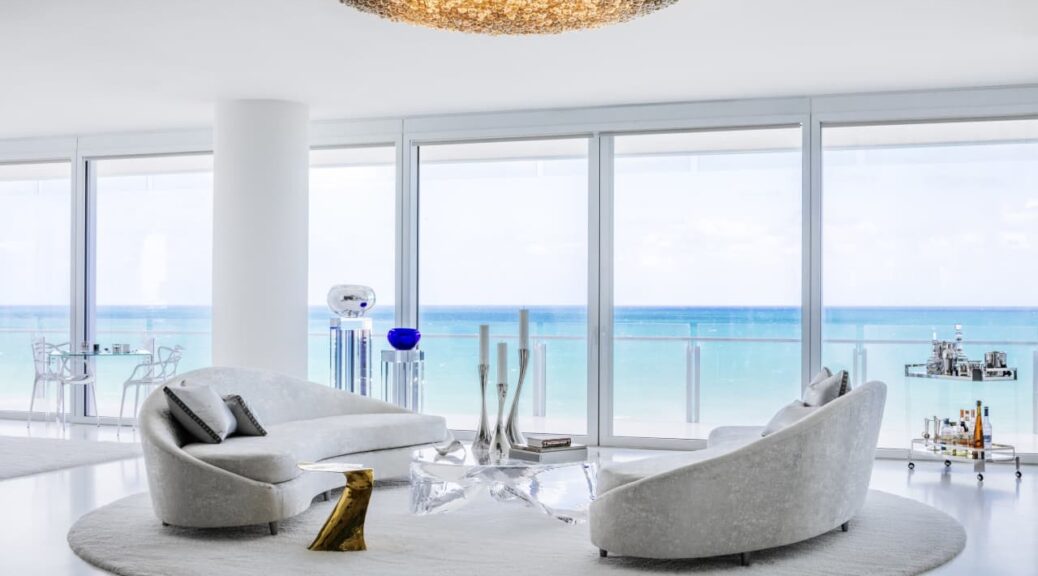
Maximizing Window Use in Home Maintenance & Renovations
Windows play a far more integral role in home maintenance and renovations than many homeowners realize. While often seen simply as sources of light and ventilation, windows are also key architectural features that influence energy efficiency, comfort, aesthetics, and even property value. As home renovation trends continue to emphasize natural elements, sustainability, and open spaces, maximizing window use has become essential to smart home upgrades.
Understanding the importance of windows and knowing how to optimize their function and form can transform any renovation project. Whether you’re maintaining an older property or building an addition, strategic window use can make a significant difference in the final outcome.
Evaluating the Existing Window Setup
Before beginning any renovations, it’s essential to assess your current window setup. Older homes may have single-pane glass, inefficient seals, or outdated frames that allow heat loss and drafts. Some may have oddly placed windows that fail to capture sunlight properly or overlook unattractive views. Evaluating their size, placement, materials, and functionality should be one of the first steps in your renovation planning.
Beyond visual inspection, it helps to take note of how your windows interact with the seasons. Do certain rooms overheat in summer or remain too cold in winter? Does sunlight fade your furniture? Does humidity build up around certain window frames? All of these are indicators of inefficiency or missed opportunities in your current window configuration.
By identifying the weak points, you can develop a clearer picture of where improvements or replacements are most needed. From there, you can strategize how to best incorporate your windows into a larger maintenance or renovation plan.
Embracing Natural Light for Energy Efficiency
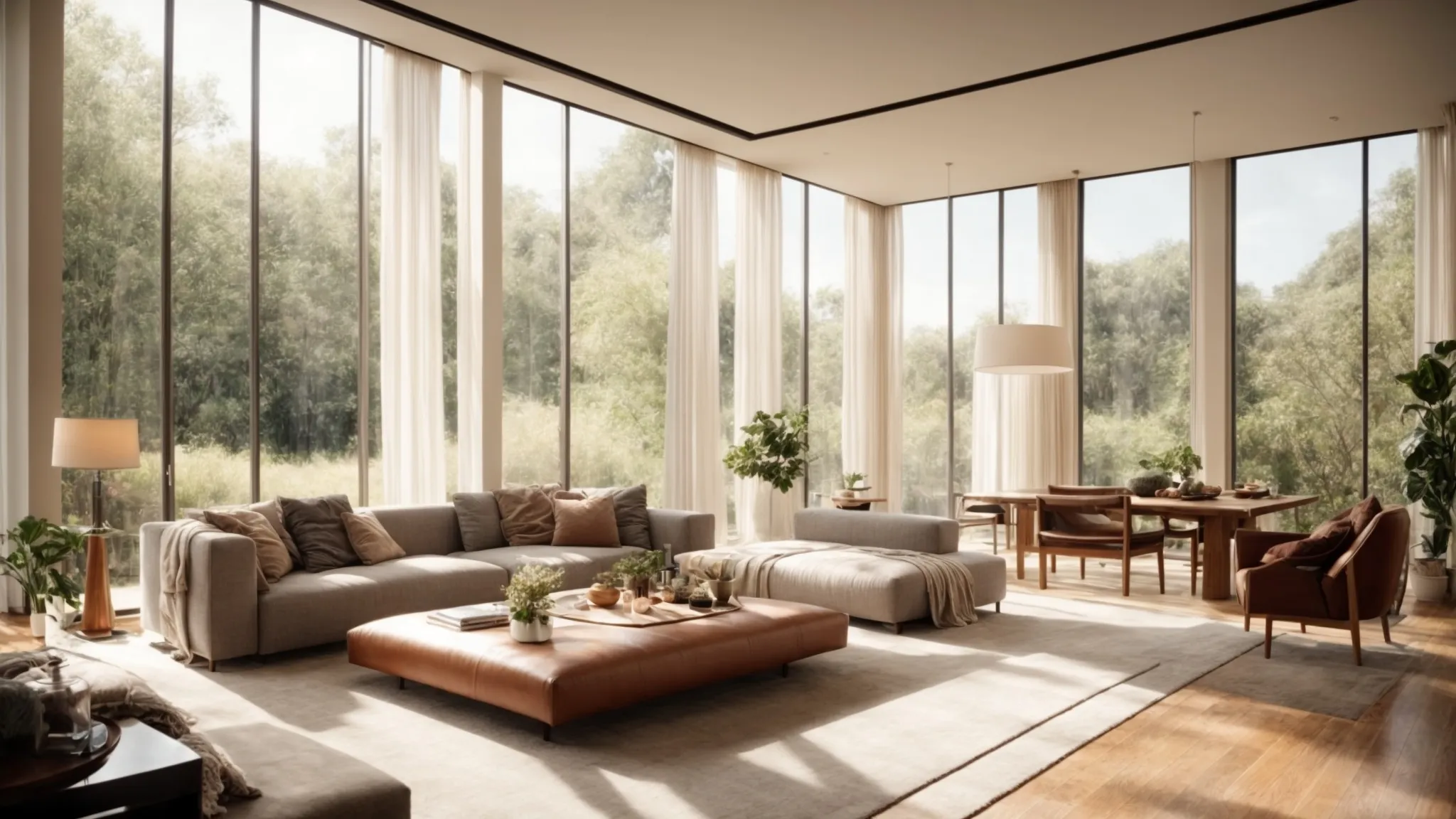
One of the most compelling reasons to focus on window improvements is the opportunity to harness natural light. Daylighting—designing interiors to maximize natural light—reduces reliance on artificial lighting, which lowers electricity bills and creates a more inviting atmosphere.
Larger windows, transom windows, or clerestory placements can brighten up formerly dim areas of the home. When renovating kitchens, bathrooms, or hallways, these lighting enhancements help improve visibility without increasing your energy usage. Additionally, using skylights or solar tubes can bring light into spaces where traditional windows are not feasible.
Window placement matters greatly in this context. South-facing windows typically capture the most sunlight throughout the day in northern hemisphere homes, while north-facing windows provide softer, more consistent light. East-facing windows bring in morning light, which can be perfect for breakfast nooks or home offices, while west-facing ones offer warmer light in the late afternoon.
To control solar gain, especially in hot climates, consider using window films, low-emissivity (Low-E) glass, or well-placed shades and overhangs. These can help balance natural light with temperature control, making rooms more livable year-round.
Enhancing Ventilation and Indoor Air Quality
Windows are a primary source of ventilation, which directly impacts indoor air quality. In renovations, especially in older homes that may lack proper airflow, strategically improving window function can dramatically improve comfort and health.
Casement and awning windows are particularly effective for ventilation because they open outward, catching breezes more effectively. Double-hung windows offer flexible ventilation, allowing air to flow from both the top and bottom sash. Placing operable windows on opposite walls or across from doors can create natural cross-ventilation, flushing out stale air and bringing in fresh outdoor air.
This natural air exchange helps to reduce humidity, odors, and allergens—especially important in bathrooms, kitchens, and laundry areas. As part of a renovation, replacing fixed windows with operable ones in these spaces can provide both practical benefits and long-term energy savings by reducing reliance on fans or dehumidifiers.
Prioritizing Window Insulation and Weatherproofing
Even the most attractive or well-placed windows can become liabilities if they’re poorly insulated. Drafty windows allow conditioned air to escape, leading to higher energy bills and a less comfortable home. One of the best maintenance practices during a renovation is to inspect all window frames, seals, and panes for leaks and inefficiencies.
Weatherstripping, caulking, and foam insulation are cost-effective maintenance solutions that extend the life of existing windows. For those with older single-pane units, installing storm windows can be a temporary upgrade until you’re ready for full replacements.
However, during a major renovation, upgrading to double- or triple-pane insulated windows with argon gas and Low-E coatings provides superior protection. These modern windows maintain interior temperatures more effectively and reduce outside noise—a great bonus if you live in a busy neighborhood.
Window performance ratings, like the U-factor and Solar Heat Gain Coefficient (SHGC), help guide decisions for replacements. A lower U-factor means better insulation, and a lower SHGC means better control over solar heat. These ratings are especially helpful when tailoring your renovation for local climate conditions.
Expanding Views and Blending Indoor-Outdoor Living
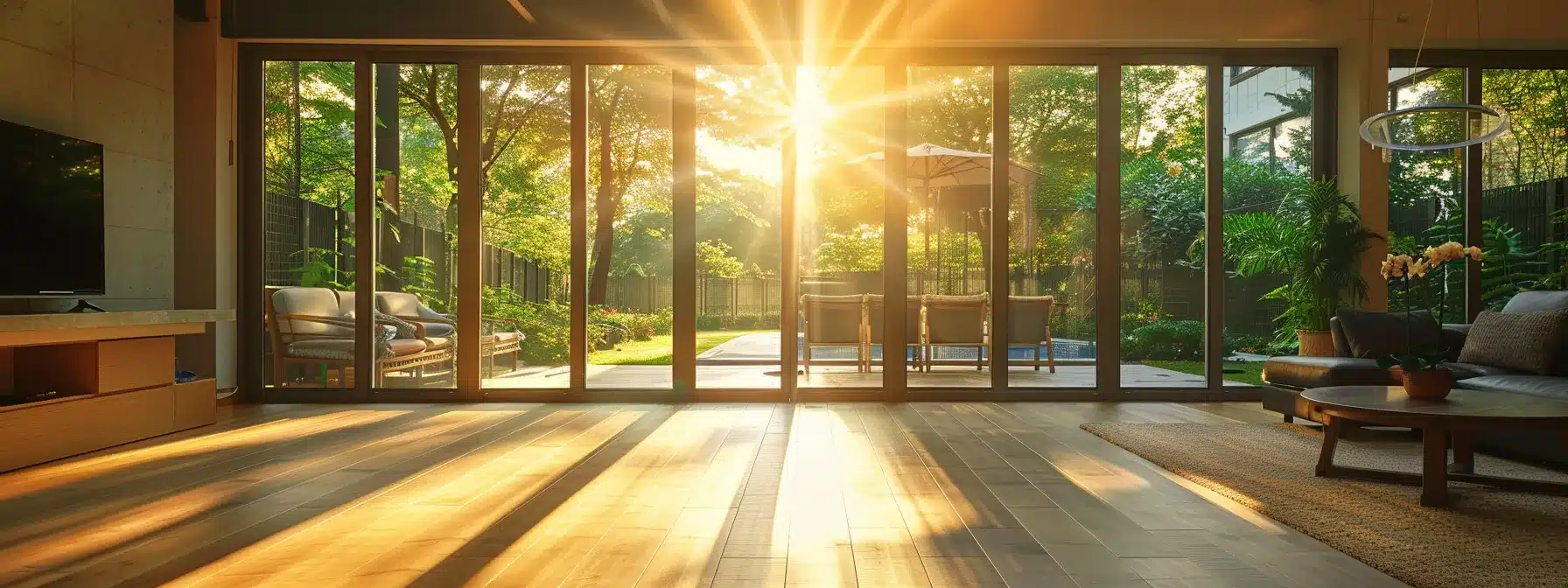
Modern renovations increasingly emphasize the connection between indoors and outdoors. Expansive windows, sliding glass doors, and folding window walls help blur the boundaries between living spaces and exterior environments. These elements not only provide stunning views but also foster a stronger connection to nature.
If your renovation involves the living room, dining room, or a master suite, consider whether you can expand window openings or install larger glass panels. Floor-to-ceiling windows or picture windows dramatically change how a space feels, instantly adding luxury and openness.
Beyond just adding size, consider the orientation of the views. Frame garden spaces, patios, or tree lines rather than fences or neighboring homes. Use landscaping as a way to enhance what your windows reveal. Even narrow sidelights flanking doors can create a more elegant entrance and make tight foyers feel more expansive.
Choosing the Right Style for Architectural Cohesion
As with all renovation choices, style matters. Your window choices should complement the architecture of your home, whether you’re maintaining a historic aesthetic or modernizing a dated design.
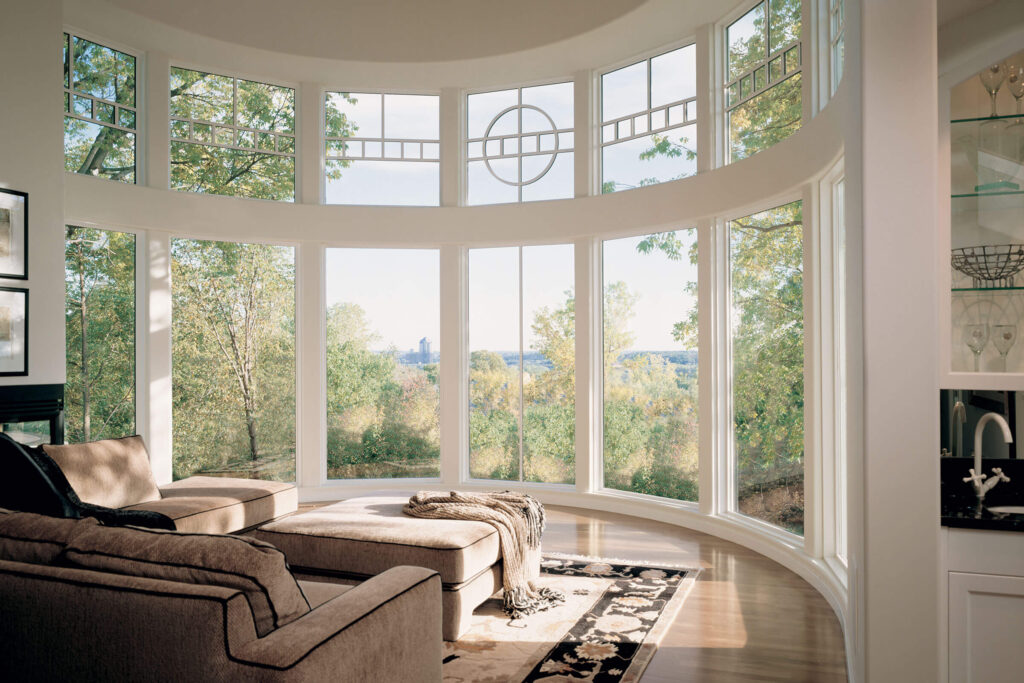
For example, craftsman homes pair well with divided light windows and wood frames, while mid-century modern designs favor horizontal sliders and large, unobstructed glass panes. Colonial-style homes look best with symmetrical window placements and shutters, while contemporary homes often utilize large, minimalist panels.
During renovations, mismatched windows can disrupt the visual harmony of your home’s exterior. Ensure consistency in frame color, grid patterns, and sill treatments across all visible sides of the home. For more daring renovations, using contrast—like black frames on white walls—can modernize a home while still maintaining architectural balance.
Factoring in Privacy and Light Control
Maximizing window use doesn’t just mean letting light pour in freely. In some cases—like bathrooms, bedrooms, or urban homes—privacy is a concern. The solution lies in design and material choice rather than eliminating windows altogether.
Frosted or textured glass provides light while obscuring views. Top-down, bottom-up shades let you control which part of a window is exposed. Interior shutters, sheer curtains, and layered drapes allow homeowners to adapt to changing needs throughout the day.
During renovations, consider installing windows higher on the wall, using narrow vertical windows, or incorporating clerestory openings in private spaces. These maintain light flow without sacrificing seclusion.
Long-Term Benefits of Smart Window Renovations
When maintained and upgraded properly, windows can significantly extend the functional lifespan of a home. They add energy efficiency, natural lighting, ventilation, and beauty—all of which improve your daily life and boost resale value.
Today’s renovations are increasingly smart-tech driven, and windows are no exception. Integrating motorized blinds, smart glass that tints automatically, or even window sensors for home security systems can modernize your home and add convenience.
Over time, these improvements not only reduce operational costs but also position your home as forward-thinking and eco-conscious—an attractive selling point in any real estate market.
Maximizing window use in home maintenance and renovations is not simply a matter of aesthetics—it’s a strategic approach that blends beauty with efficiency and sustainability. From better lighting and air quality to architectural harmony and energy savings, windows are powerful tools in reshaping your home for modern living.
By evaluating existing features, investing in insulation, embracing natural light, and respecting your home’s design integrity, you can turn your windows into standout elements of your renovation. Whether you’re updating a single room or planning a full remodel, the smart use of windows can elevate your home’s comfort, character, and overall value in ways that are both subtle and substantial.